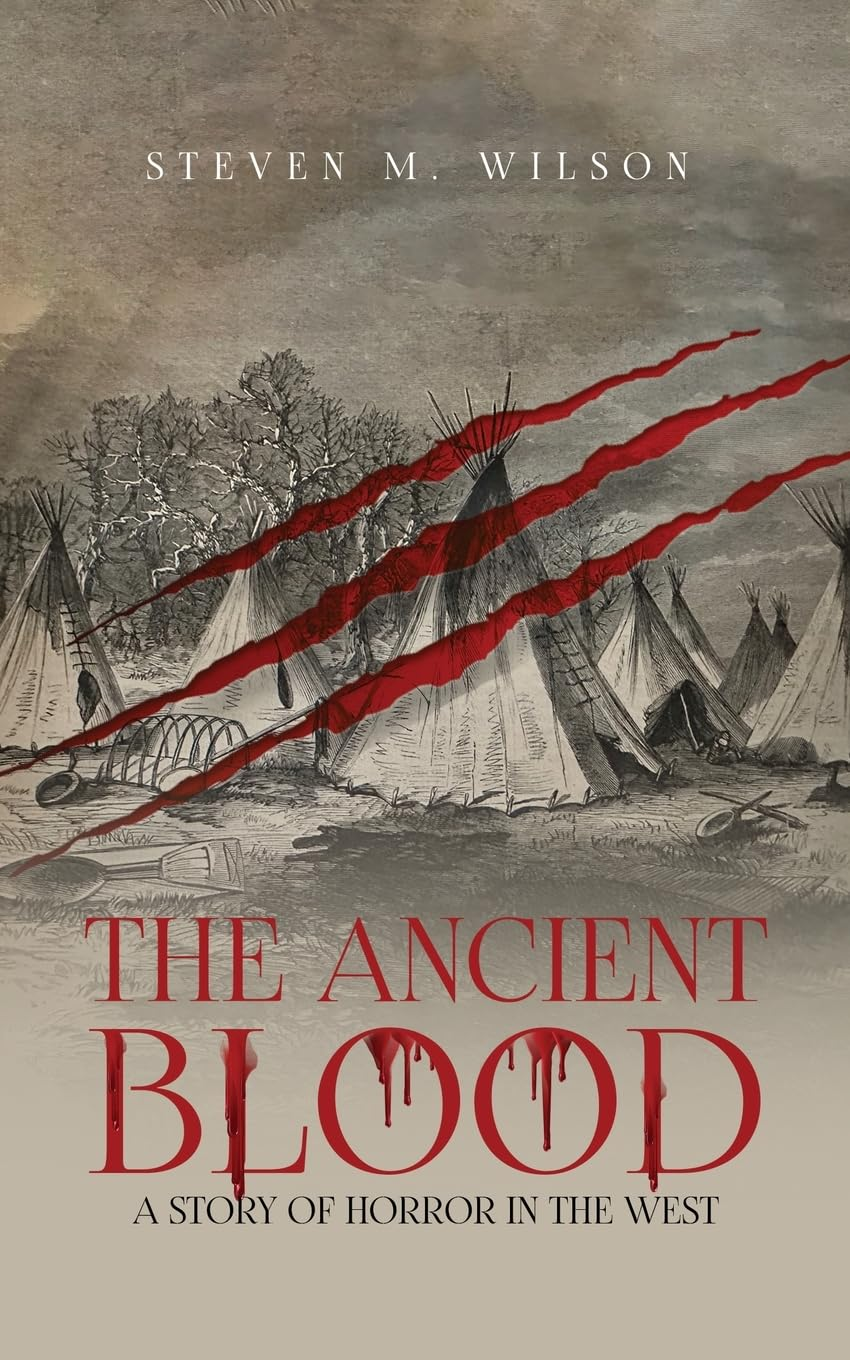
In The Ancient Blood; A Story of Horror in the West by Steven M. Wilson, storytelling plays a central role in the narrative, particularly through the character of Walking Man, a Cheyenne warrior. The novel highlights the significance of storytelling within Indigenous cultures, not merely as a form of entertainment but as a vital tool for education, cultural preservation, and survival. Through Walking Man and the traditions of the Tsis Tsis’ tas (the Cheyenne people), we witness how storytelling functions as both a warning and a means of preserving history, ensuring that vital lessons are passed down through generations.
Storytelling as a Cultural and Historical Anchor
In many Indigenous cultures, including that of the Cheyenne, oral storytelling serves as the primary method of preserving history, mythology, and cultural values. Before the advent of written language, stories were passed down from elders to younger generations, allowing a people’s knowledge and traditions to endure. In The Ancient Blood, Walking Man is not a chief, but he is deeply respected for his thoughtfulness and careful consideration of the world around him. This trait is central to his role as a storyteller and a keeper of cultural wisdom.
Walking Man embodies the role of the storyteller by absorbing the lessons and knowledge of his ancestors and sharing them with others in his community. His storytelling is a way to connect the past with the present, drawing on the experiences of those who came before to make sense of current challenges. In the novel, this is seen when Walking Man recounts the legends and historical events of the Cheyenne people, offering insight into how his community has navigated adversity over time. By doing so, Walking Man preserves the cultural memory of his people, ensuring that their identity and history are not forgotten even in the face of external threats like settler encroachment and supernatural forces.
Storytelling as a Warning
One of the most profound functions of storytelling in The Ancient Blood is its role as a warning system. In Indigenous cultures, stories often carry moral or cautionary messages, teaching listeners about the dangers of certain behaviors or situations. For the Cheyenne people in Wilson’s novel, storytelling serves as a means of survival, offering guidance on how to navigate both natural and supernatural dangers.
Through this storytelling tradition, Walking Man learns that the White Devil is not just a myth but a real, dangerous force that has returned to terrorize his people. The story provides clues about the creature’s nature and how it hunts, giving Walking Man and his fellow warriors critical information for their survival. In this way, storytelling becomes an essential tool for navigating the unknown, helping characters interpret and respond to threats that might otherwise seem insurmountable.
Storytelling as a Means of Interpreting the Supernatural
The supernatural elements in The Ancient Blood are deeply intertwined with the stories and legends of the Cheyenne people. In Indigenous cultures, the line between the natural and the supernatural is often fluid, with stories serving as a way to make sense of the unseen forces that shape the world. Walking Man’s ability to interpret these supernatural elements through storytelling allows him to guide his people in understanding and confronting the unknown.
In the novel, the White Devil is not only a physical threat but also a representation of something far more ancient and terrifying. Through the old man’s story, Walking Man learns that the creature feeds on fear, blood, and chaos, and that it has existed for as long as the Cheyenne can remember. This blending of history and mythology reflects a common theme in Indigenous storytelling: the acknowledgment that supernatural forces are not separate from the world but are deeply connected to human experiences and the land itself.
Through Walking Man, the reader is reminded that stories are more than mere words; they are tools for survival, education, and cultural continuity. In a world filled with both tangible and supernatural dangers, storytelling becomes a lifeline—a way to make sense of the world, navigate its challenges, and ensure that the wisdom of the past continues to guide the present and future. Wilson’s novel, through its depiction of Cheyenne storytelling, emphasizes the timeless and universal power of oral traditions to shape and sustain human experience.