
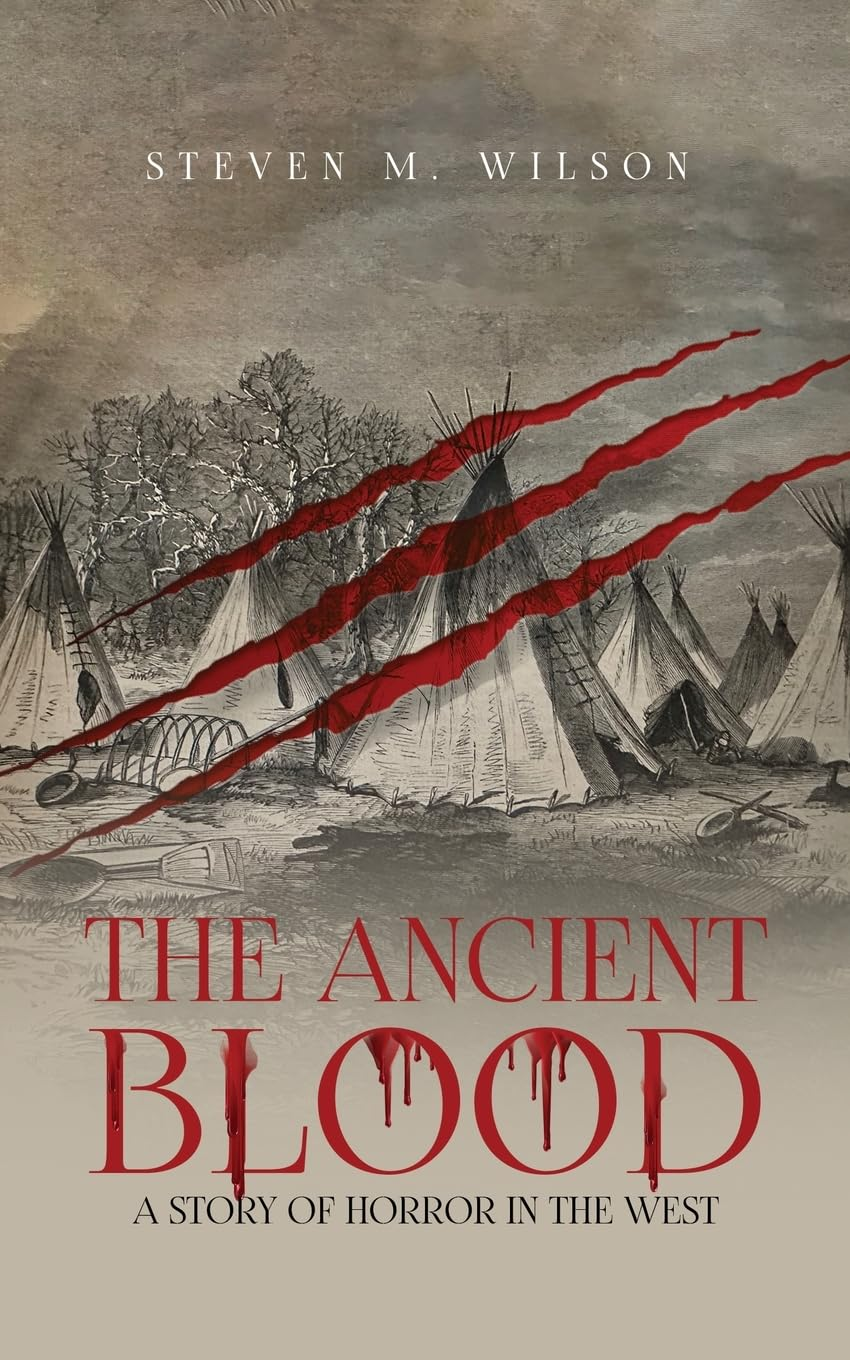
Steven M. Wilson’s The Ancient Blood; A Story of Horror in the West brilliantly combines historical realism with supernatural terror, using the real-life struggles of settlers in the Old West as a foundation for the novel’s horror. The West during the 19th century was a land of tremendous opportunity, but it was also one of immense danger and unpredictability. Wilson taps into the historical hardships faced by settlers—including isolation, environmental challenges, and conflicts with Indigenous peoples—and heightens them with the presence of an unseen, malevolent force. The blending of these real-life struggles with supernatural horror amplifies the tension in the story, making it a chilling reflection on survival in the Old West.
Isolation: The Psychological Toll of the Frontier
One of the most immediate and pressing challenges faced by settlers in the West was isolation. The vast, untamed wilderness meant that many families, like Jessup’s in The Ancient Blood, often found themselves far from civilization, traveling for months with only the companionship of their family or fellow travelers. In the novel, Jessup and his family’s isolation is starkly portrayed when they are left behind by their wagon train. This physical separation from the group magnifies their vulnerability and underscores the dangers of being alone in an unforgiving environment.
Wilson uses this isolation not just to create suspense, but to explore its psychological toll on the characters. As Jessup works to repair his wagon, the increasing distance between his family and the rest of the group begins to take a mental and emotional toll, particularly on his wife, who longs for the safety and comfort of their home back East. Her anxiety and fear grow with each passing moment, illustrating the immense stress that isolation imposes on settlers.
The Harsh Environment: Nature as an Enemy
Surviving the Western frontier required more than just fortitude—it required a deep understanding of the land, and for many settlers, this knowledge was tragically lacking. The environment itself became an enemy to those who were ill-prepared to navigate its challenges. In The Ancient Blood, Wilson portrays the environment not just as a backdrop, but as a living, breathing force that actively threatens the lives of the characters. The harsh prairie, with its dry, barren landscape, lack of water, and unpredictable weather, is almost a character in itself, constantly reminding the reader that survival is not guaranteed.
Conflict with Indigenous Peoples: Cultural Tensions and Misunderstandings
Another historical reality that Wilson deftly incorporates into The Ancient Blood is the tension and conflict between settlers and Indigenous peoples. For many settlers, Native Americans were viewed with suspicion or outright hostility, driven by misunderstandings and fear. The novel acknowledges these tensions, but it does so by presenting the Indigenous characters, particularly the Cheyenne (Tsis Tsis’ tas), as complex, thoughtful individuals with their own deep knowledge of the land and the supernatural forces at play.
Walking Man, a Cheyenne warrior, serves as a counterpoint to Jessup’s ignorance and arrogance. While Jessup dismisses the land and its signs, Walking Man is attuned to the rhythms of nature and the warnings embedded in Cheyenne culture. Through Walking Man, Wilson highlights the cultural wisdom that many settlers ignored or misunderstood, often to their peril. The Cheyenne’s deep connection to the land and their knowledge of supernatural forces, such as the White Devil, reflect a nuanced understanding of the world that goes beyond the settlers’ practical concerns of survival.
The historical elements in the story heighten the horror by showing that the settlers’ greatest challenges were not just the supernatural forces they faced, but their own ignorance, isolation, and refusal to listen to those who understood the land. The blending of historical realism with horror amplifies the stakes for the characters, making The Ancient Blood a powerful reflection on the dangers of the Old West and the human flaws that often exacerbated those dangers.