Give it a read: “The Ancient Blood: A Story of Horror in the West” is a captivating new novel of the supernatural by acclaimed author Steven M. Wilson. In a desperate battle that forces traditional enemies to band together to fight an ancient, supernatural creature feeding on fear and death, “THE ANCIENT BLOOD: A Story of Horror in the West” sets an intense plot that will challenge the ordinary and the unexpected. Filled with action, horror, drama, suspense, mystery, humor, and suspicion, witness as The Walking Man, the Cheyenne tribe, and the soldier fight their own distrust and hatred for one another to defeat a deadly foe—an unlike enemy—a towered beast that seems immortal. A must-read, for sure!
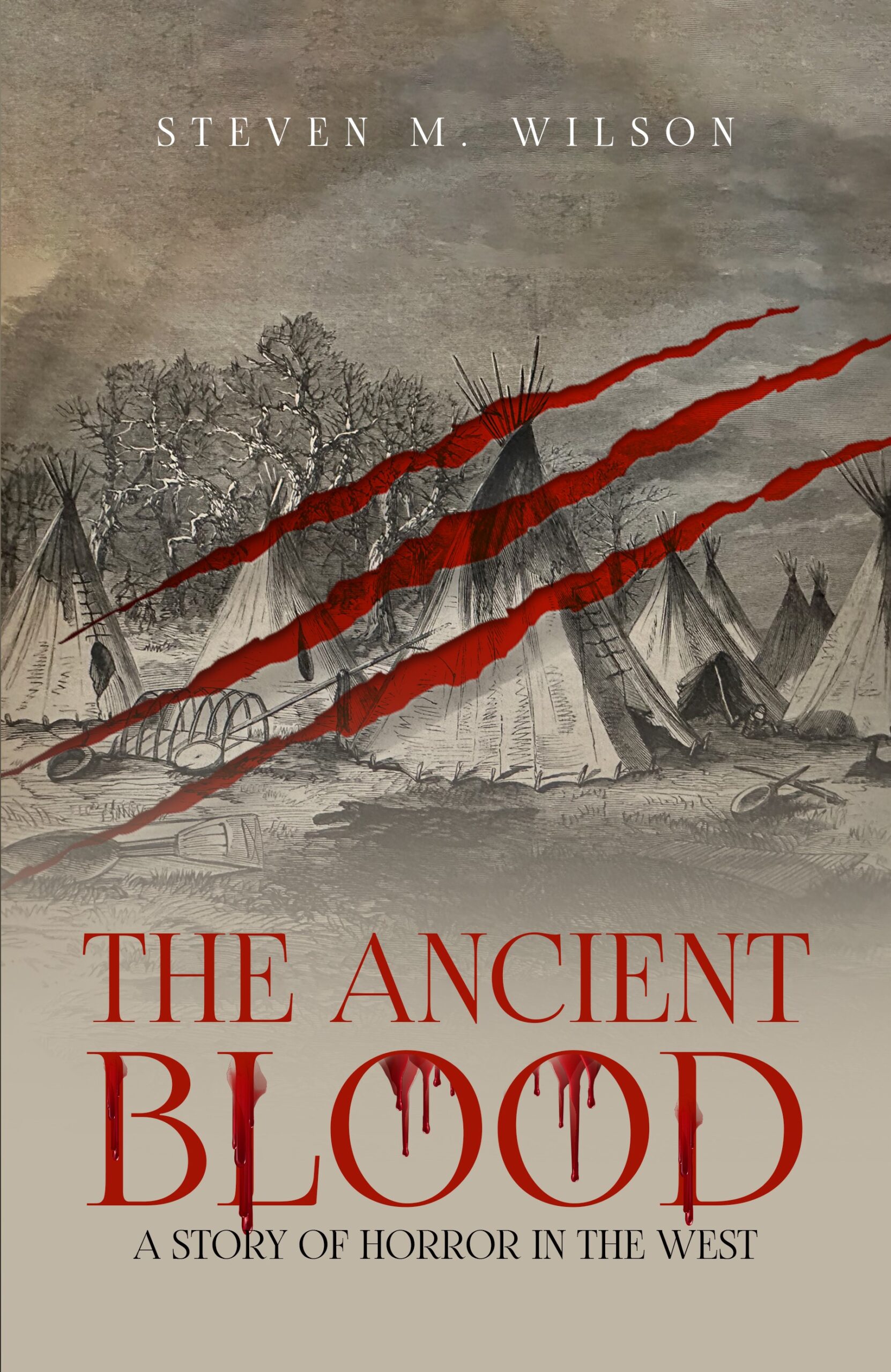
The protagonist in “The Ancient Blood: A Story of Horror in the West,” the Cheyenne warrior, Walking Man, stands out not just for his physical prowess but for his unique brand of courage and bravery. While the warriors around him boast and bicker, Walking Man embodies a quiet strength, a thoughtful bravery that is often overlooked. Let’s delve into the text and explore the reasons why Walking Man is a true hero.
Strength in Reflection:
Unlike most warriors who rely on instinct and impulsiveness, Walking Man prioritizes thoughtful consideration. He first observes, listens carefully to the council, and weighs others’ opinions before forming his own. This introspective nature sets him apart. In a society that prizes action, his patient deliberation might be misinterpreted as weakness. But true courage lies not just in charging headfirst, but in assessing the situation with a clear head.
Leadership Through Unity:
Walking Man doesn’t seek the spotlight. He doesn’t yearn for the title of Chief. Instead, he focuses on fostering unity within the war party. He acknowledges the strengths of others, integrating their ideas into his plans. This ability to inspire cooperation in a group of competitive warriors is a testament to his leadership skills.
The Power of Calm Amidst Chaos:
While the Black Antelope and Wolf Chief, representing the Dog Warrior Society, embody the traditional warrior stereotype of being quick to anger, easily provoked, and prioritizing personal glory, Walking Man is unconcerned by their taunts and attempts to belittle him. He does not fall for their bait, instead responding calmly, disarming them and demonstrating emotional control, which reflects a deeper understanding of true strength. It is not about bluster but about deliberate action and a clear mind.
Intuition and the Unseen:
Little Raven, the Contrary, seems to possess a sixth sense. He feels a strange wind and worries about something unseen that scares the wind itself. Walking Man, despite his focus on logic, doesn’t dismiss Little Raven’s concerns. He acknowledges the possibility of something beyond their immediate perception, perfectly demonstrating openness to the unknown, which underscores his courage and determination to face evil.
Facing the Unknown Enemy:
The soldiers they seek are not just human adversaries. Little Raven’s words hint at something more, a terrifying entity that chills even the wind. Walking Man, despite the unsettling premonition, decides to press forward. He prioritizes the safety of his people by choosing to confront the unknown threat head-on.
Walking Man’s style of bravery and courage is a quiet and thoughtful one. He doesn’t crave glory or dominance. Instead, he leads with a calm intellect, fostering unity and acknowledging the wisdom of others. He is open to the unknown and willing to face whatever danger lurks ahead. In a world that often values aggression, Walking Man reminds us that true courage lies in calculated action, thoughtful reflection, and the strength to face the unknown with a steady mind, courage, strength, determination, and the will never to lose hope, even though the one you are facing seem immortal and perilous.